


jlsss | The Expansive World of Simulation Games: From Realism to Imagination
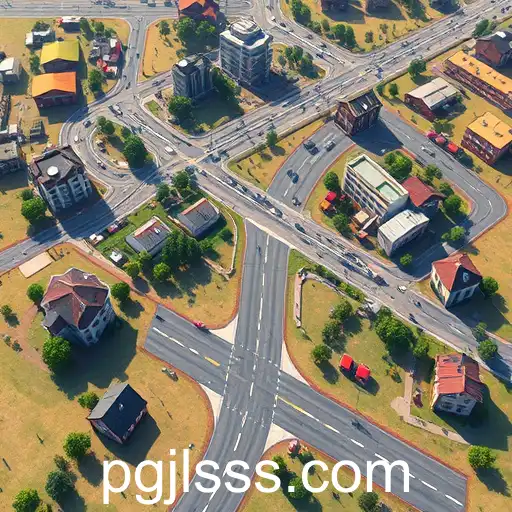
Simulation games have carved a unique niche in the vast landscape of digital gaming, offering players experiences that range from highly realistic to whimsically imaginative. These games provide a portal to worlds where players can experiment with real-life systems or escape into fantastical realms, always underpinned by the core philosophy of simulating environments, scenarios, or processes.
At the heart of simulation games lies their capacity to replicate real-world or fictional scenarios, enabling players to engage with environments that they might not encounter in everyday life. From flying planes in 'Microsoft Flight Simulator' to building entire cities in 'SimCity', these games serve as both educational tools and entertainment platforms. Players interested in managing agricultural enterprises can turn to 'Farming Simulator', while those looking to direct national policies might find 'Democracy' an engaging choice.
Beyond exact replicas of reality, simulation games frequently flirt with imaginative and creative liberties, giving rise to titles like 'The Sims', where players dictate the everyday lives of virtual characters, or 'Zoo Tycoon', which places them in charge of animal preservation and park management. These games, while based on realistic principles, allow for a degree of creative expression and freedom that is unparalleled.
The genre’s strength lies in its diversity. 'Simulation' can mean something as grounded as running a train line, seen in 'Train Simulator', or as fantastical as surviving alien ecosystems in a game like 'Subnautica'. The diversity doesn't stop at gameplay mechanics; it extends to the player base. By their nature, simulation games attract players from all demographics—from children curious about running a amusement park in 'Planet Coaster', to professionals engaged in complex business simulations.
Additionally, simulation games have significant educational value, often used to teach concepts ranging from economics to biology. Educators utilize games like 'Kerbal Space Program' to introduce space science fundamentals, benefiting from the immersive learning environment video games provide. Simulation games also often benefit from a vibrant modding community, which consistently expands the base game's offerings, ensuring longevity and continued engagement.
In conclusion, simulation games encapsulate one of the broadest categories in gaming, blurring the lines between play, education, and reality. Whether tasked with navigating a bustling metropolis or maintaining a delicate ecological balance, players are constantly challenged to think critically and creatively. As technology advances and gaming platforms evolve, the potential for simulation games only expands, promising deeper and more immersive experiences in the realm of virtual reality.
